
How can we make the air healthier for everyone in Australia?
This was the focus of the Parliamentary Friends of Clean Air Quality reception at Parliament House in Canberra on Tuesday 27 October. Hosted by co-chairs Senator Michelle Ananda-Rajah and Dr Monique Ryan MP, the Safer Air Project and the Centre for Safe Air, the evening brought together parliamentarians, and representatives of some of the 80+ organisations that have signed the call for a National Healthy Air Strategy, to discuss how to make sure breathing healthy air is a reality for everyone in Australia.
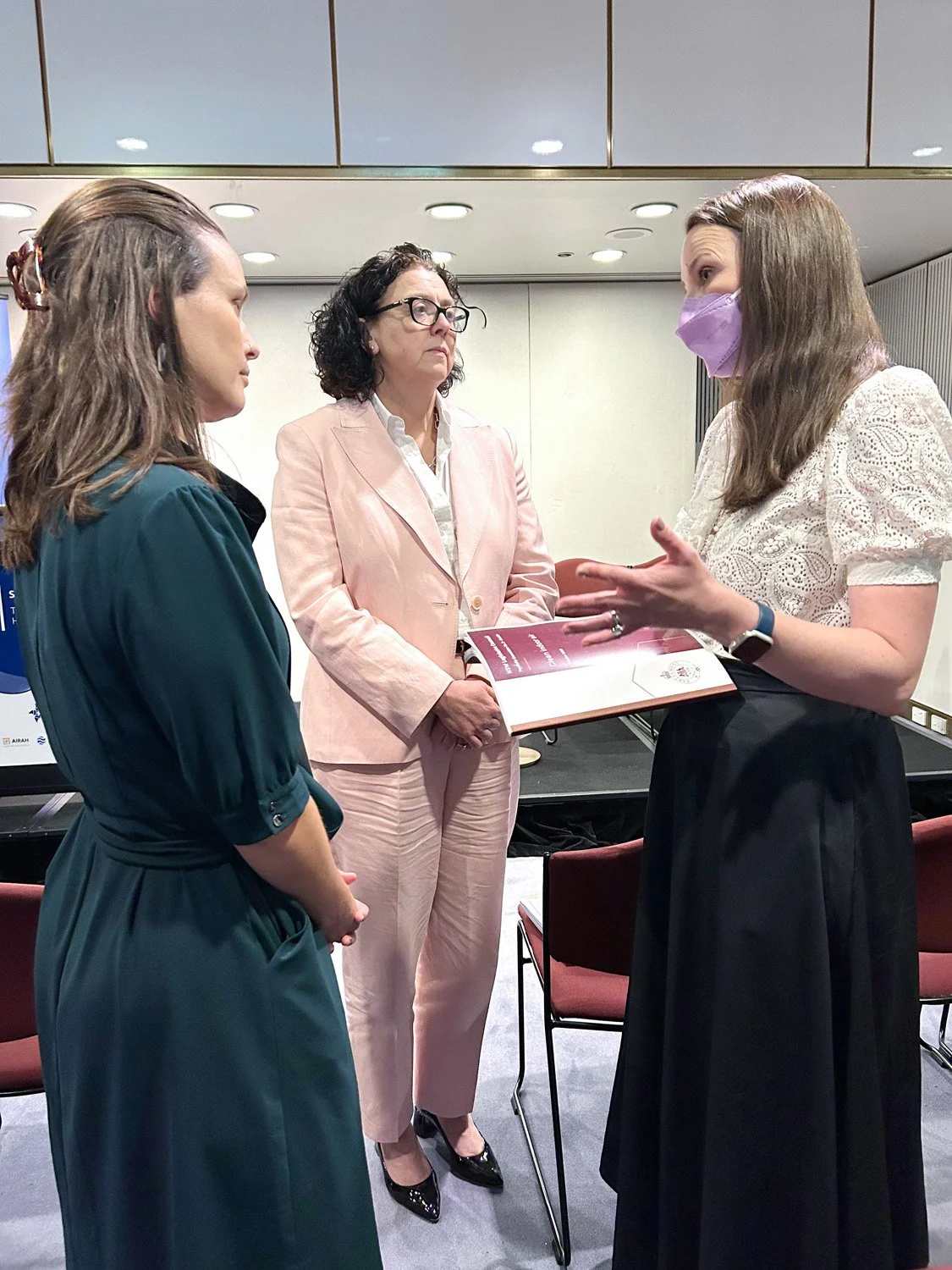
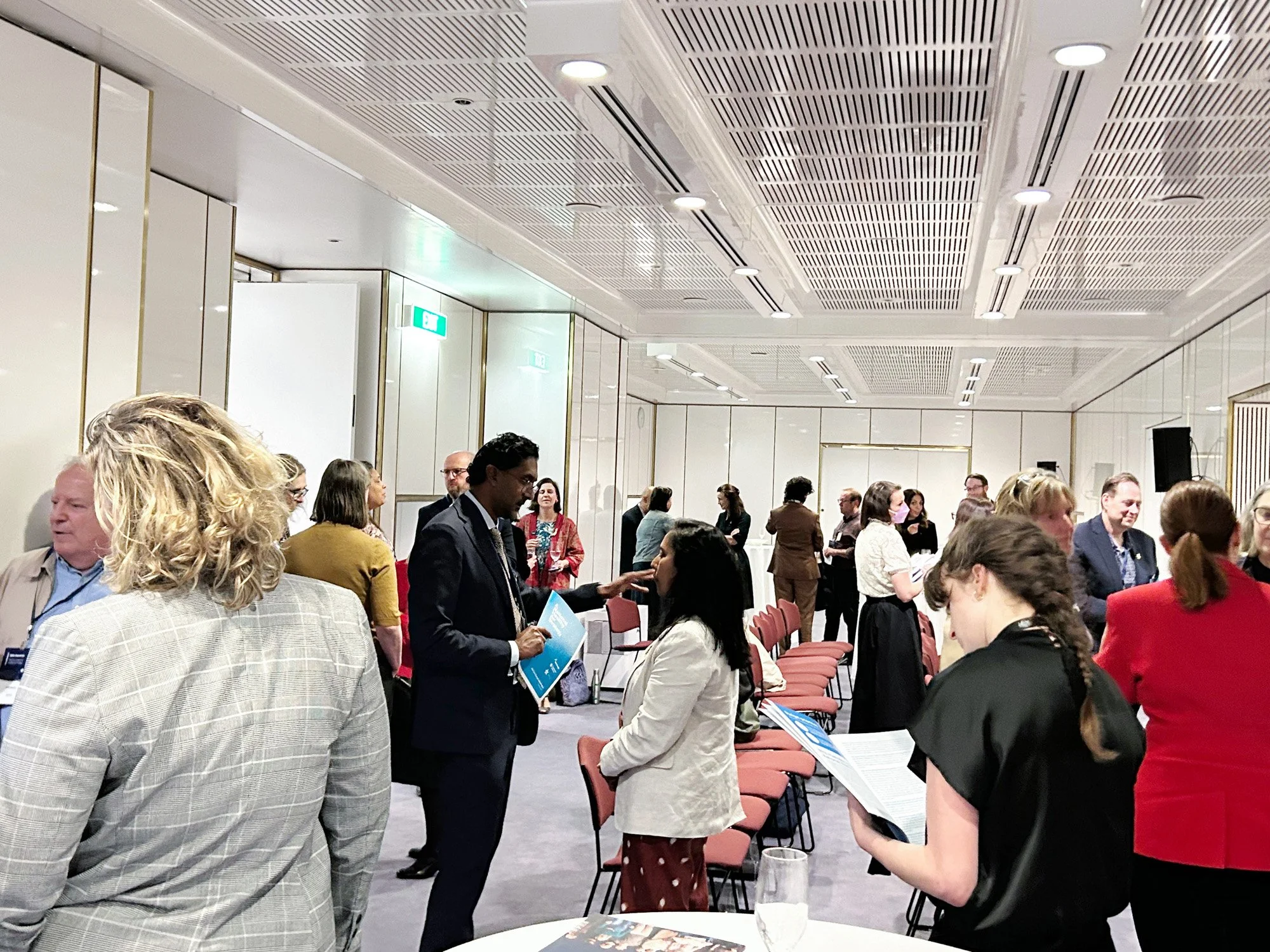
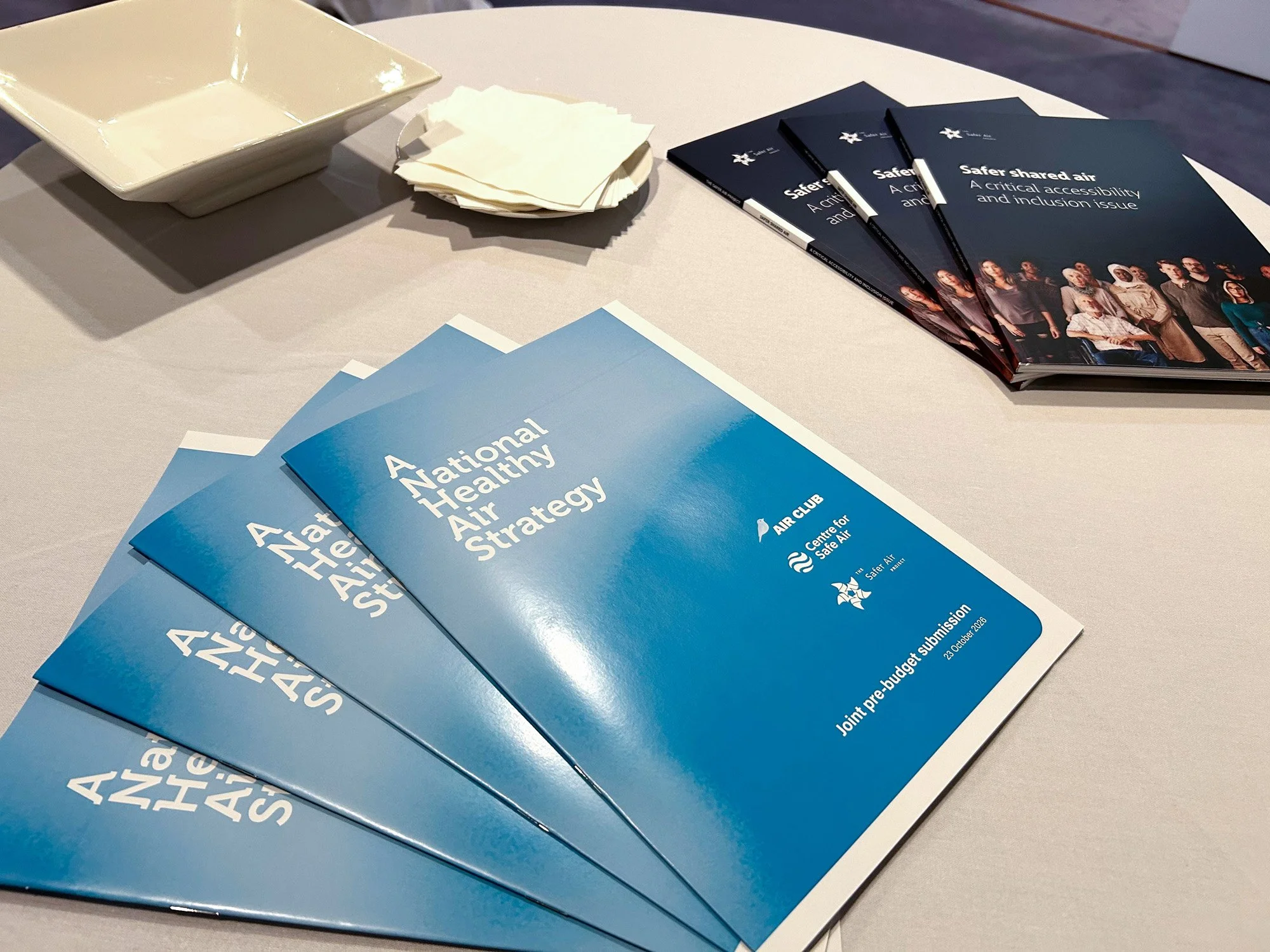
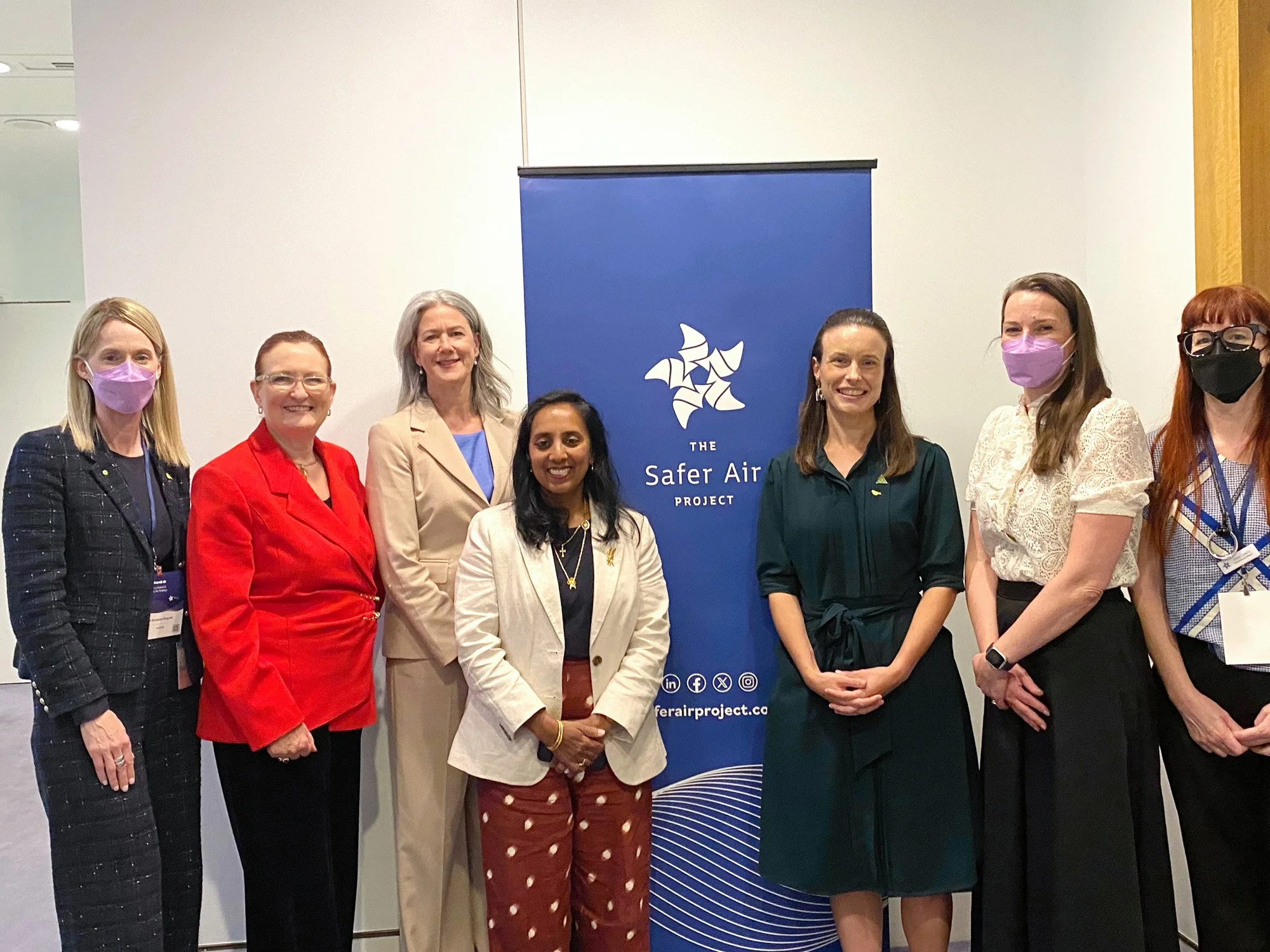
Held on the eve of our Safer shared air 2026 conference, the reception provided an opportunity to bring this call directly to parliamentarians.
It built on the group’s first meeting in June, which explored the impacts of poor indoor air quality, particularly for people living with chronic conditions or disability, and possible pathways to national indoor air quality standards.
Dr Ryan shared with attendees that she’s having many conversations about this important issue, and “the Government is listening”.
A shared call for national action
Professor Fay Johnston from the Centre for Safe Air noted that while Australia has strict standards to protect our food and water, responsibility for air quality remains fragmented across a range portfolios and levels of government. A National Healthy Air Strategy would bring this work together, providing a coordinated, evidence-based approach to protecting health.
For people living with conditions that put them at greater risk, the air in a classroom, workplace or healthcare setting can impact whether they can safely participate. Improving air quality is an opportunity to remove some of these barriers, while delivering benefits for the whole community.
Dr Amanda Cohn MLC shared an update on the NSW parliamentary inquiry into clean indoor air. The report’s 38 recommendations call for state and national action, including a dedicated minister and an advisory council to lead an indoor air quality strategy, reinforcing the need for national leadership to improve the air in the places we live, learn, work and travel. “The evidence is so clear”, she said.
Dr Bronwyn King from Air Club presented updates the work that is already happening to progress indoor air quality internationally. “People everywhere are starting to acknowledge that indoor air quality is important”, said Dr King.
The presentations were followed by a panel discussion moderated by Dr King, with A/Prof Stéphane Bouchoucha, former President of the Australian College of Infection Prevention and Control, Michelle Isles, CEO of Climate and Health Alliance, and David Martin, Director, Cancer Control Policy at Cancer Council Australia.
It’s encouraging to see such a diverse range of organisations coming together in support of a National Healthy Air Strategy. Across different sectors and areas of expertise, there is a shared recognition that improving air quality is an opportunity to protect health and make our communities more accessible and inclusive.
The burden of responsibility for staying safe shouldn't rest on the immunocompromised or high-risk person, especially when that person is a child, and we all share the same air. Australia already has national strategies to protect our food and water, now we need to do the same to protect our air. If the act of breathing in a space makes someone sick, access isn’t equitable and it’s time to change that.
- Plum Stone, The Safer Air Project
We thank Senator Ananda-Rajah and Dr Ryan for their continued leadership as co-chairs, the speakers for sharing their expertise, and everyone who joined us and contributed to the discussion.
Join the call for a National Healthy Air Strategy
Both organisations and individuals can join the call for a National Healthy Air Strategy. Read the consensus statement and sign on to support it, and please share with your networks.